The Silent Message We Send to Future Bioethicists
DOI:
https://doi.org/10.7202/1122837arKeywords:
education, mentorship, bioethics advocacyLanguage(s):
EnglishAbstract
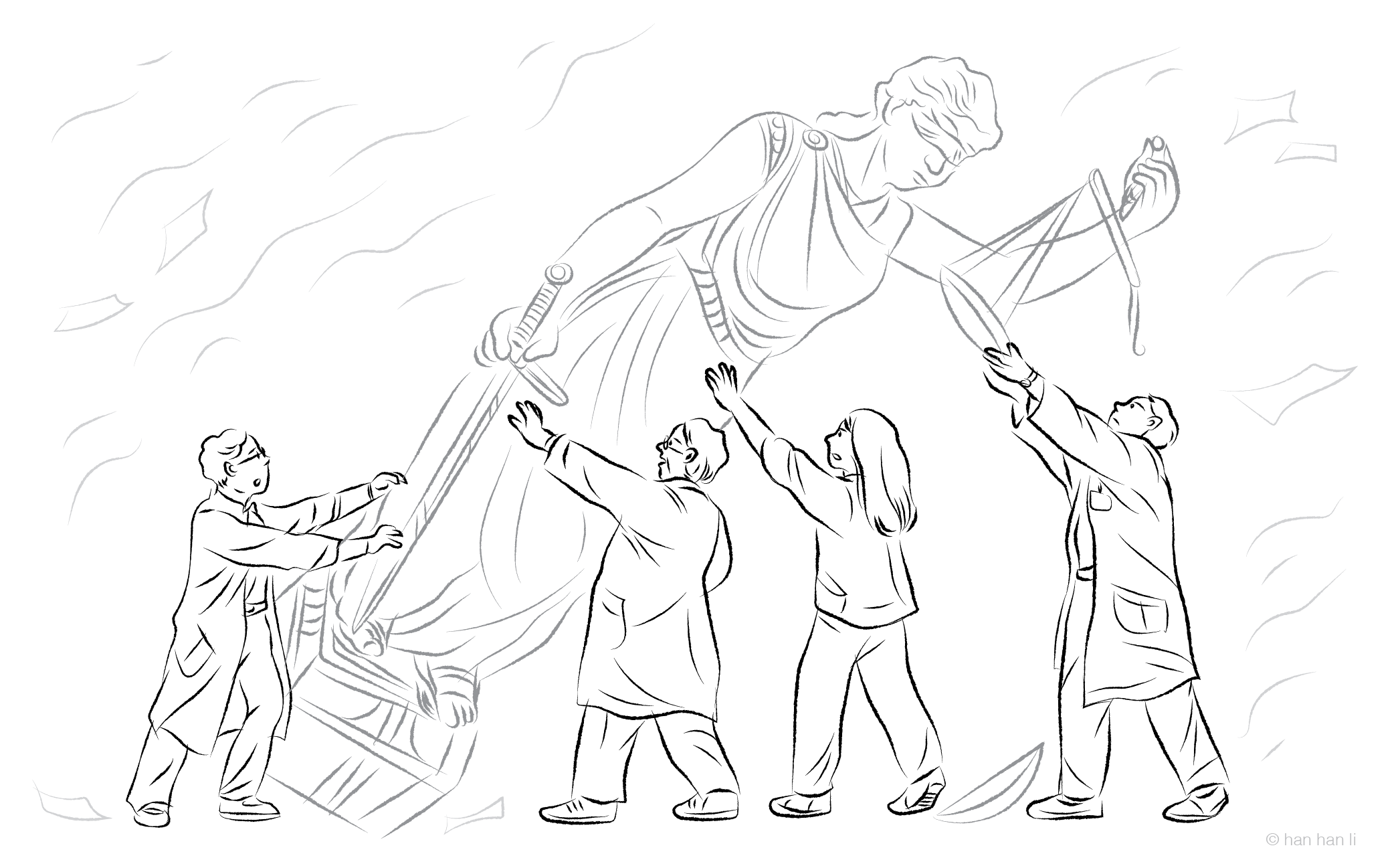
Many bioethicists do not consider advocacy to be part of their role despite the longstanding relationship between health research and the sociopolitical forces that shape it. As a Canadian graduate student in the United States, I reflect on the unique experience of studying bioethics at a time of declining funding in health research and a dominating culture of academic suppression. I discuss the passive lessons that students are learning from the actions (or lack thereof) of bioethicists, and why expressing solidarity with other affected groups can strengthen our academic community, pointing to examples of what these advocacy efforts can look like.
References
1. Gretzinger E, Hicks M, Dutton C, Smith J, Cutler S, Baiocchi A. Tracking higher ed’s dismantling of DEI. The Chronicle of Higher Education. 16 Dec 2025.
2. Pacia DM, Baban SS, Fletcher FE, et al. A survey of attitudes toward social justice obligations in the field of bioethics. AJOB Empirical Bioethics. 2025;16(3):151-62.
3. Dwyer J. Why philosophers aren’t better people. Canadian Journal of Bioethics / Revue canadienne de bioéthique. 2024;7(2-3):175-79.
4. Friesen P. Transforming bioethics: the need for strong objectivity and standpoints. The American Journal of Bioethics. 2021;21(2):58-60.
5. Harding S. “Strong objectivity”: a response to the new objectivity question. Synthese. 1995;104:331-49.
6. Evidence for Democracy. Evidence-informed decision-making in Canada: How a grassroots movement restored respect for science. 7 June 2023.
7. Union of Concerned Scientists. You Need Science. Science Needs You. 2025.
8. Stand Up for Science. The Bethesda Declaration: A Call for NIH and HHS Leadership to Deliver on Promises of Academic Freedom and Scientific Excellence. 2025.
Published
How to Cite
Issue
Section
License
Copyright (c) 2026 Nada Salem

This work is licensed under a Creative Commons Attribution 4.0 International License.
The Canadian Journal of Bioethics applies the Creative Commons Attribution 4.0 International License to all its publications. Authors therefore retain copyright of their publication, e.g., they can reuse their publication, link to it on their home page or institutional website, deposit a PDF in a public repository. However, the authors allow anyone to download, reuse, reprint, distribute, and/or copy their publication, so long as the original authors and source are cited.















_smaller.png)